FROM PIXEL TO PERFORMANCE — Y:2019

SARAH
ANDREW
I'm Sarah Andrew, a product-minded researcher and AI UX designer with over five years of experience translating user research into measurable product outcomes. I design accessible mobile interfaces, publish peer-reviewed research at top ACM venues, and build AI-powered campaign experiences for global luxury brands.
SCROLL
With a PhD in Computing and Information Sciences and an MS in Human Computer Interaction, I bring a research-grounded approach to product and design. I define product requirements, prioritize features through quantitative scoring, and guide cross functional teams to deliver accessible, scalable digital products.
My research spans mobile accessibility, DHH communication technologies, and accessible authentication — published across 9 peer reviewed papers at CHI, MobileHCI, IMWUT, ASSETS, CSCW, and W4A with 179+ citations. My MobileHCI 2025 paper received an Honorable Mention Award.
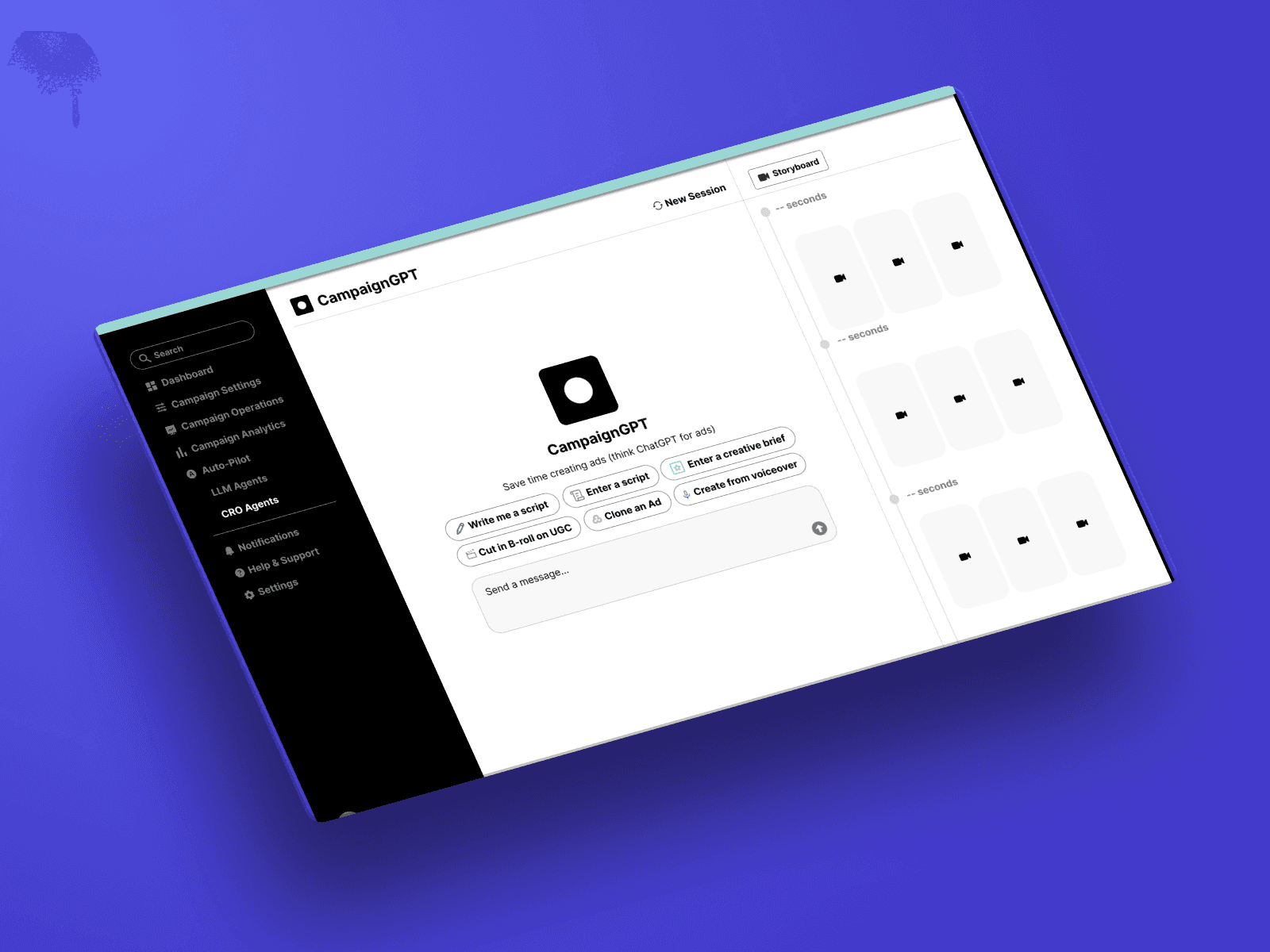
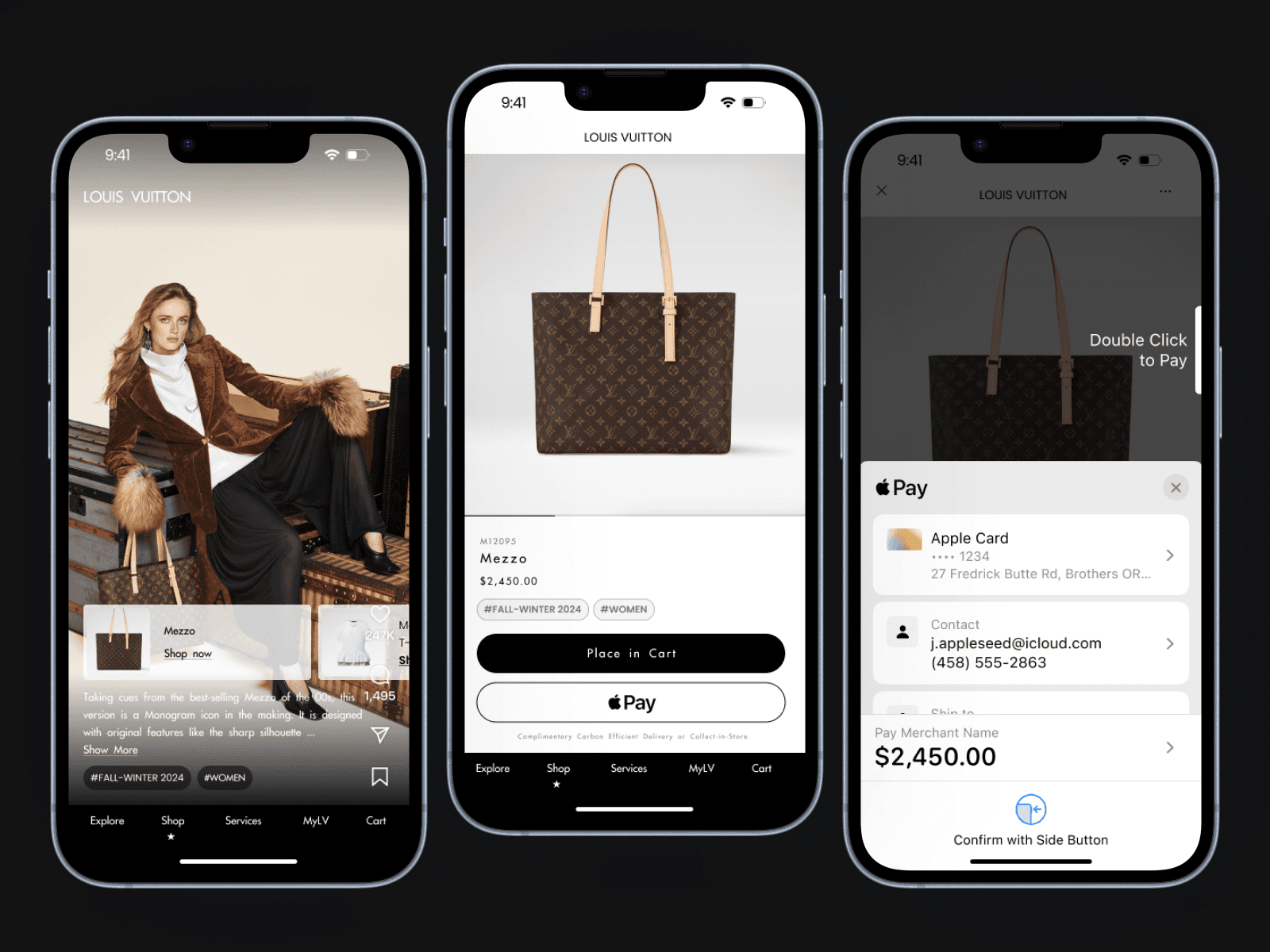
As a freelance UI/UX designer at ChatLabs, I design AI powered campaign platforms partnering with luxury brands including Tiffany & Co., Louis Vuitton, and L'Oréal, collaborating with cross functional teams across China, London, and the USA.
Freelance UI/UX Designer
Chatlabs
2024 — Present
Own end-to-end UI/UX design for AI campaign platforms partnering with luxury brands including Tiffany & Co., Louis Vuitton, and L'Oréal, defining product requirements, conducting usability testing, and managing feature backlogs across mobile and web product surfaces.
Collaborate directly with co-founders, developers, and cross-functional teams distributed across China, London, and the USA to scope features, write user stories and acceptance criteria, create wireframes and prototypes, and ship responsive experiences through agile design sprints.
Author PRDs, product documentation, and stakeholder communications aligning design system decisions with business KPIs, campaign analytics, and go-to-market strategy.
UI/UX Design Intern
Idealoft Studios
2019 — 2020
Translated business requirements and user research into UI/UX designs, wireframes, and interactive prototypes for mobile applications across fintech, food, and delivery verticals, mapping each feature to measurable usability benchmarks and customer journey stages.
Conducted task based usability testing and heuristic evaluations, contributing data driven recommendations to sprint planning, backlog grooming, and cross functional design reviews.
PhD Researcher, Mobile Accessibility and Inclusive Design
Rochester Institute of Technology
2020 — 2024
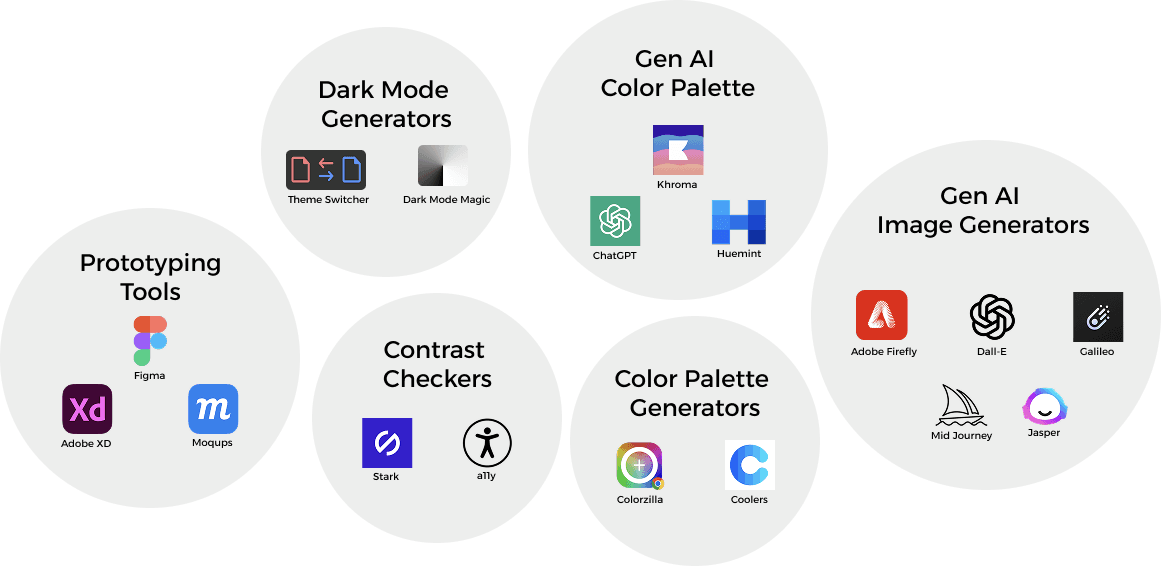
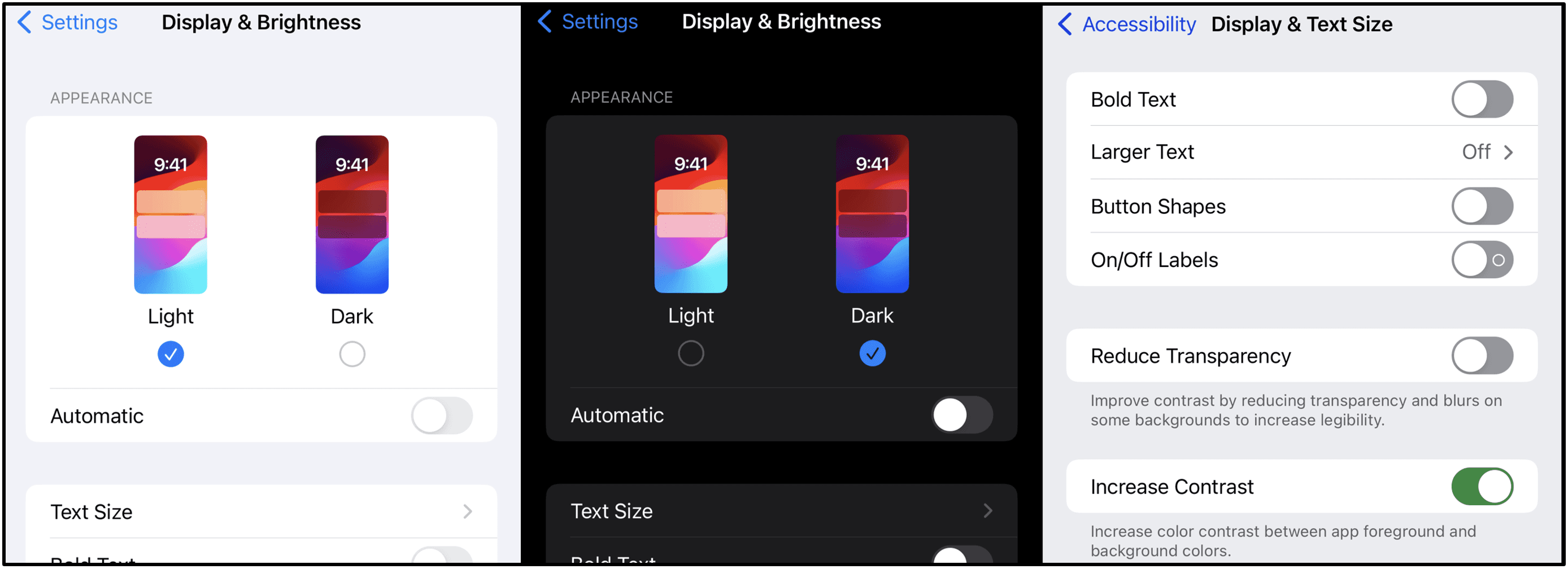
Led a multi-phase research program spanning mobile alternative color modes, DHH communication technologies, and accessible authentication, producing 9 publications across 6 ACM venues with 179+ citations. Defined product requirements, research roadmaps, and success metrics for each phase.
Translated findings from 29 cross-country user interviews, 120+ competitive app audits, and 70 participant surveys into evidence-based design guidelines and design system recommendations; validated in a controlled study (N=13) showing 2.6x improvement in design quality.
Designed and ran empirical evaluations including A/B comparisons, a 24 participant usability study under varied lighting conditions, and a Wizard of Oz prototype study with 26 DHH and hearing participants, synthesizing quantitative and qualitative data into prioritized product recommendations.
Built and managed a research team of 5+ research assistants and graduate assistants. Served as Communications Chair for CAIR lab. Peer reviewed for multiple ACM venues including CHI, MobileHCI, and ASSETS.
Ph.D. Computing and Information Science
Rochester Institute of Technology
2021 — 2026
Dissertation: "Alternative Color Mode Design: Supporting Mobile App Creators with Evidence-Based Guidelines." Advised by Dr. Garreth Tigwell. Led a multi-phase research program on mobile accessibility at the Center for Accessibility and Inclusive Research (CAIR Lab), producing 9 peer-reviewed publications with 179+ citations across CHI, MobileHCI, IMWUT, ASSETS, CSCW, and W4A.
B.C.A Bachelor of Computer Applications
Christ University
2016 — 2019
Three-year undergraduate program ranked #1 for Computer Applications in India (Collegedunia, India Today). Built a technical foundation in programming, data structures, database management, web technologies, and software engineering, with a capstone project and mandatory industry internship. This foundation supports effective collaboration with engineering teams and informed product decision making.
M.S. Human-Computer Interaction (HCI)
Rochester Institute of Technology
2019 — 2021
Developed expertise in user research, usability testing, interaction design, and accessible design methods. Contributed to research on DHH communication and accessible authentication published at CHI and ASSETS.
Authentication Challenges in Customer Service Settings Experienced by Deaf and Hard of Hearing People
2023
CHI
Seeking Product Manager and AI UX Design roles — Open to Relocate
Building accessible, evidence-based products at the intersection of user research and AI-powered design.